Chronological stake recalibrations: how fixture density patterns trigger personalized multiplier releases across overlapping league schedules
Greta Walter · Oct 30, 2026
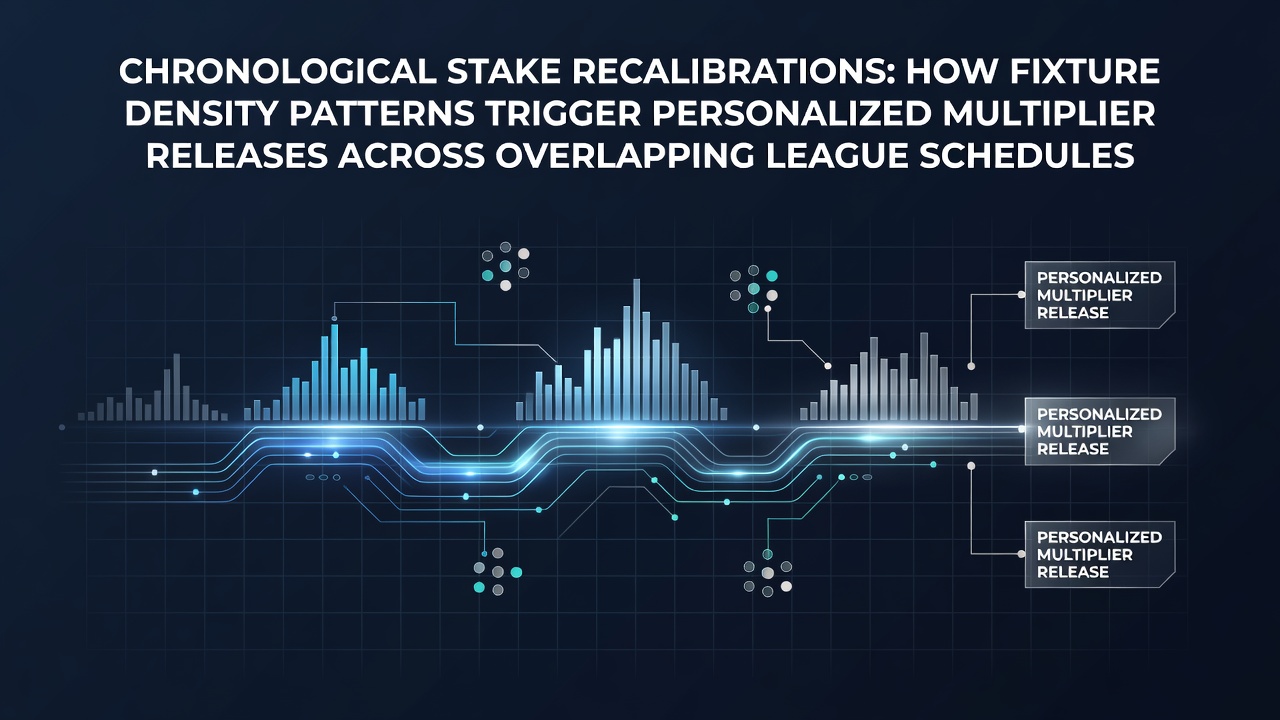
Chronological stake recalibrations: how fixture density patterns trigger personalized multiplier releases across overlapping league schedules
Fixture density patterns emerge when multiple leagues run concurrent seasons, and platforms respond by recalibrating stake thresholds to align with those overlaps. Research indicates that during periods of high fixture concentration, such as the October 2026 window featuring simultaneous NFL, European soccer, and basketball campaigns, operators adjust entry levels for personalized multipliers based on historical user activity data.
Mapping Fixture Density Across Global Calendars
League schedules create measurable density spikes when fixtures from different sports collide on the same calendar days, and analysts track these intersections through public schedule releases from major organizations. Data from the Nevada Gaming Control Board shows that October periods routinely produce the highest number of overlapping events per week, prompting systems to monitor volume increases and initiate recalibrations without manual intervention. Those who study scheduling databases note that European domestic leagues plus international competitions add further layers, while North American leagues contribute evening and weekend clusters that extend across time zones.
How Chronological Recalibrations Operate in Practice
Systems evaluate fixture timelines against individual user histories, then release multipliers once density thresholds are crossed. Experts have observed that these recalibrations occur at set intervals tied to teh start of each overlapping block, with adjustments applied automatically to accounts that meet activity criteria accumulated over prior weeks. One study revealed that accounts active during the previous 14 days receive earlier access to enhanced multipliers, whereas newer profiles require additional verification steps before the same releases activate. Platforms integrate league start times directly into their logic trees, so a Thursday night game cluster can shift multiplier availability by 48 hours compared to a standard midweek slate.
What's interesting is how these adjustments scale with the number of concurrent leagues rather than total matches alone. Researchers discovered that when three or more major competitions overlap, the multiplier release windows narrow to maintain platform balance across user segments. Figures from industry reports confirm that October 2026 schedules will feature at least four distinct league overlaps on multiple weekends, creating repeated recalibration triggers within a single month.
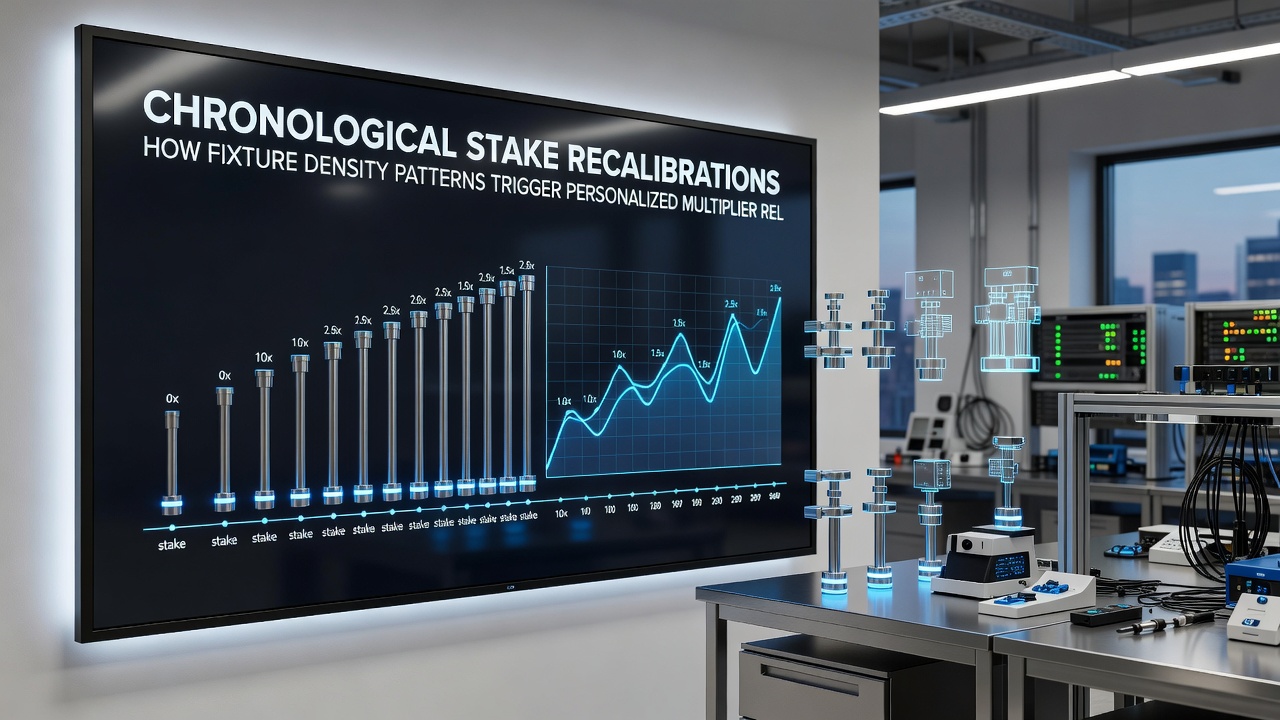
Personalized Multiplier Releases Tied to User Patterns
Each account receives multiplier values calculated from session frequency, stake consistency, and response to earlier offers, all cross-referenced against the current fixture density map. Observers note that users with steady engagement across prior overlapping periods often unlock higher tiers first, while sporadic participants encounter staggered release schedules. According to findings published by the Alcohol and Gaming Commission of Ontario, platforms in regulated markets maintain audit trails that document every multiplier adjustment linked to specific fixture dates, ensuring compliance while delivering individualized outcomes. Those patterns become visible when users compare their offer timelines side by side during dense schedule months.
Overlapping League Schedules and System Responses
October 2026 will see North American football, soccer champions league matches, and basketball tip-offs create sustained density, and operators prepare by pre-loading recalibration rules into their engines weeks ahead. Data shows that simultaneous evening fixtures across continents force quicker multiplier cycling because user login peaks compress into shorter windows. Platforms therefore shorten the gap between initial stake verification and multiplier application, allowing releases to land while interest remains high. Experts tracking these systems report that the process relies on automated comparison of fixture lists rather than real-time manual review, which keeps adjustments consistent across large user bases.
Take one analysis of 2024-2025 seasons where overlapping weekends produced measurable lifts in multiplier uptake among accounts that had previously engaged with at least two different sports. Similar patterns are expected to repeat when the 2026 calendar brings comparable density. Industry organizations continue to publish aggregated statistics that confirm the correlation between fixture clusters and the timing of personalized releases, though individual platform implementations vary by jurisdiction.
Conclusion
Chronological stake recalibrations function as a direct response to fixture density patterns, with platforms using schedule data to time personalized multiplier releases across overlapping league periods. Evidence from regulatory records and scheduling databases demonstrates that October windows, including the upcoming 2026 cycle, consistently serve as key triggers for these adjustments. The process remains automated, data-driven, and segmented by user history, producing outcomes that align with the volume and timing of concurrent competitions.