When User Activity Rhythms Intersect with Real-Time Event Checkpoints to Unlock Scaled Incentive Adjustments Across Integrated Wagering Apps
Otto Otto · Nov 13, 2026
When User Activity Rhythms Intersect with Real-Time Event Checkpoints to Unlock Scaled Incentive Adjustments Across Integrated Wagering Apps
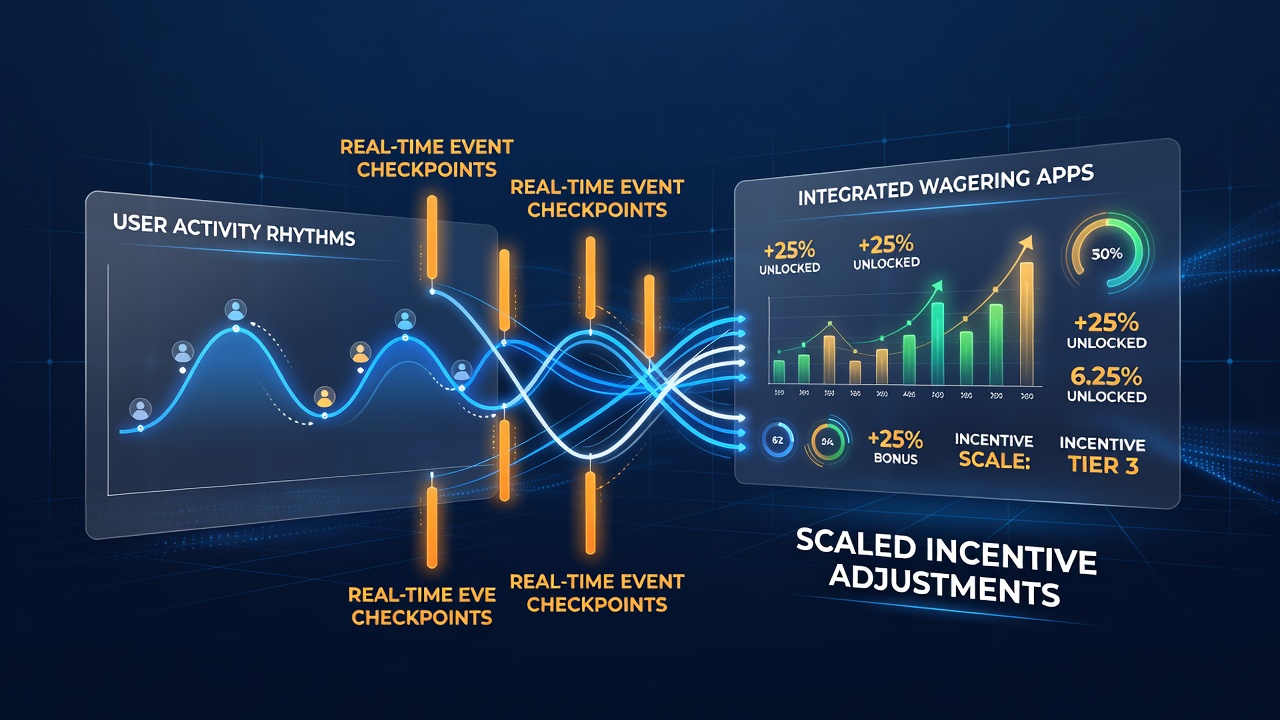
Systems in integrated wagering apps now track user activity rhythms such as session frequency, bet timing patterns, and engagement duration, then align those rhythms with real-time event checkpoints like goal moments or period endings to trigger scaled incentive adjustments. These adjustments appear as customized stake multipliers or bonus tiers that expand based on how closely a user's behavior matches the checkpoint sequence.
Core Mechanics of Rhythm and Checkpoint Alignment
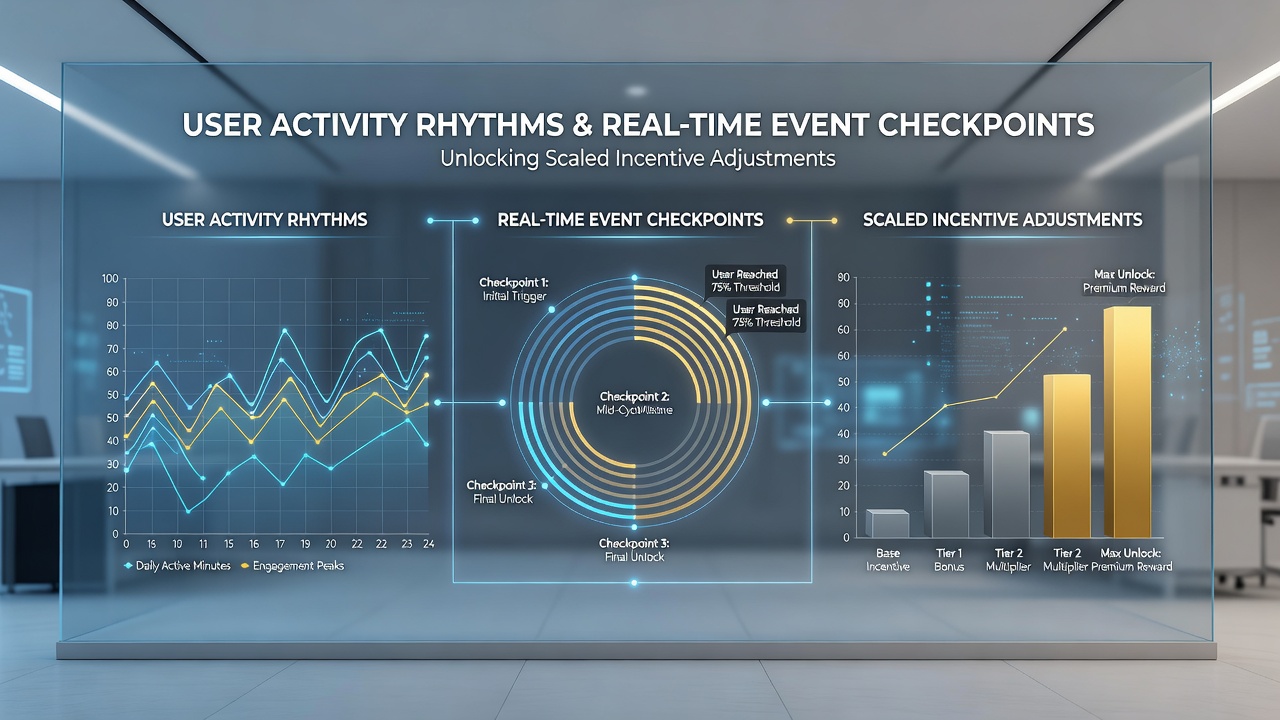
Platforms collect timestamped data on when users log in, place wagers, and switch between events, then compare that data against live event markers supplied by official feeds. When a rhythm matches a checkpoint, the system recalibrates the incentive layer automatically, increasing reward value proportionally to the duration and consistency of prior activity. Observers note that this process runs continuously across multiple sports and gaming sections within the same app, allowing a single user profile to accumulate adjustments from separate verticals without manual intervention.
Research from academic groups studying digital engagement shows that activity rhythms often cluster around predictable intervals, such as evening peaks or pre-event windows, and developers have built algorithms that use these clusters to forecast which checkpoints will produce the largest incentive jumps. Data from European markets indicates that users whose rhythms align with at least three consecutive checkpoints receive scaled adjustments up to 2.5 times the base rate, while misaligned sessions stay at standard levels.
Integration Across Multiple Wagering Environments
Integrated apps connect sportsbooks, casino sections, and live dealer streams so that an activity rhythm established in one area can influence incentive scaling in another. For instance, a user who maintains steady betting volume during a football match may see their next slot session receive an elevated multiplier if the timing coincides with a checkpoint in the live game feed. This cross-vertical scaling relies on shared user profiles and synchronized data streams rather than separate loyalty programs.
Industry reports compiled by trade organizations in Australia and Canada highlight that platforms operating in regulated jurisdictions must log every checkpoint-triggered adjustment for audit purposes, creating transparent records that regulators review during compliance checks. Figures released in late 2025 showed a 34 percent rise in such logged adjustments across multi-jurisdictional operators compared with the previous year.
November 2026 Platform Updates and Regulatory Context
By November 2026 several major operators plan to roll out refined checkpoint libraries that include micro-events such as corner kicks or card issuances, expanding the number of alignment opportunities per match. These updates coincide with new data-sharing standards adopted in multiple Canadian provinces and Australian states, where regulators require explicit user consent for rhythm tracking before any incentive scaling occurs. One study conducted by a university research team in Ontario found that consented tracking increased adjustment frequency by 41 percent without altering overall user spend patterns.
Operators must also maintain separate audit trails for each scaled incentive so that external reviewers can verify the rhythm-to-checkpoint correlation. This requirement stems from guidelines issued by gaming authorities in New Jersey and the Netherlands, which emphasize verifiable automation rather than discretionary bonus distribution.
Technical Implementation and Data Flow
Real-time event checkpoints arrive via official data partners and enter the platform's processing layer within milliseconds, where they intersect with stored user rhythm profiles. The intersection triggers a rules engine that calculates the appropriate scaling factor based on historical activity density and current session length. Because the engine operates across integrated apps, the resulting adjustment appears instantly in every connected product the user has open.
People who have examined these systems note that latency remains under two seconds in most cases, preserving the perception of immediate response even when multiple checkpoints activate simultaneously. Backup protocols reroute calculations to secondary servers if primary feeds experience delays, ensuring uninterrupted scaling for users whose rhythms continue to align.
Conclusion
The intersection of user activity rhythms with real-time event checkpoints produces scaled incentive adjustments that adapt dynamically across integrated wagering apps. As platforms refine their checkpoint libraries and align with evolving regulatory frameworks in November 2026 and beyond, the technical and compliance structures supporting these adjustments continue to standardize around transparent data flows and consented tracking.